


The United Nations [UN] is an intergovernmental organization whose stated purposes are to maintain international peace and security, develop friendly relations among nations, achieve international cooperation, and be a center for harmonizing the actions of nations.
The UN was formed after WWII in San Franciso, CA. It included nations from the north, south, east, and west of the world. The Founders included fifty-one states.
|
|
|
|
|
|
|
|
|
|
|
|
|
|
|
|
|
|
|
|
|
|
|
|
|
|
|
|
|
|
|
|
|
|
|
|
|
|
|
|
|
|
|
|
|
|
|
|
|
|
|
|
|
|
|
|
|
|
|
|
|
|























The United Nations was established by the Charter of the United Nations and the Statute of the International Court of Justice.
The Charter was signed on 26 June 1945 by the representatives of 50 countries; Poland signed it on 15 October 1945. There were 51 Founding Members in 1945. The founding members of the United Nations are the countries that were invited to participate in the 1945 San Francisco Conference at which the UN Charter and Statute of the ICJ were adopted. Participation was determined by virtue of having signed or adhered to the Declaration by the United Nations (1942) or as approved at the Conference.
In accordance with Article 110, the Charter entered into force on 24 October 1945, after ratification by the five permanent members of the Security Council and a majority of the other countries. Twenty-two countries subsequently deposited their instruments of ratification. The table below reflects the pattern of ratification: first the five permanent members, then the other countries that ratified by 24 October, and then the remaining countries.
Since 1945, some of the Founding Members have changed their names, others have been dissolved and new states have succeeded them.
| Original Member State | Date of Signing | Deposit of Ratification | Current Name/Successor States |
|---|---|---|---|
| Republic of China | 26 June 1945 | 28 Sept. 1945 | People’s Republic of China |
| France | 26 June 1945 | 31 Aug. 1945 | |
| Union of Soviet Socialist Republics | 26 June 1945 | 24 Oct. 1945 | Russian Federation* |
| United Kingdom of Great Britain and Northern Ireland | 26 June 1945 | 20 Oct. 1945 | |
| United States of America | 26 June 1945 | 8 Aug. 1945 | |
| Argentina | 26 June 1945 | 24 Sept. 1945 | |
| Brazil | 26 June 1945 | 21 Sept. 1945 | |
| Byelorussian Soviet Socialist Republic | 26 June 1945 | 24 Oct. 1945 | Belarus |
| Chile | 26 June 1945 | 11 Oct. 1945 | |
| Cuba | 26 June 1945 | 15 Oct. 1945 | |
| Czechoslovakia | 26 June 1945 | 19 Oct. 1945 | Czechia and Slovakia |
| Denmark | 26 June 1945 | 9 Oct. 1945 | |
| Dominican Republic | 26 June 1945 | 4 Sept. 1945 | |
| Egypt | 26 June 1945 | 22 Oct. 1945 | |
| El Salvador | 26 June 1945 | 26 Sept. 1945 | |
| Haiti | 26 June 1945 | 27 Sept. 1945 | |
| Iran | 26 June 1945 | 16 Oct. 1945 | |
| Lebanon | 26 June 1945 | 15 Oct. 1945 | |
| Luxembourg | 26 June 1945 | 17 Oct. 1945 | |
| New Zealand | 26 June 1945 | 19 Sept. 1945 | |
| Nicaragua | 26 June 1945 | 6 Sept. 1945 | |
| Paraguay | 26 June 1945 | 12 Oct. 1945 | |
| Philippine Commonwealth | 26 June 1945 | 11 Oct. 1945 | Philippines |
| Poland | 15 Oct. 1945 | 24 Oct. 1945 | |
| Saudi Arabia | 26 June 1945 | 18 Oct. 1945 | |
| Syrian Arab Republic | 26 June 1945 | 19 Oct. 1945 | |
| Turkey | 26 June 1945 | 28 Sept. 1945 | |
| Ukrainian Soviet Socialist Republic | 26 June 1945 | 24 Oct. 1945 | Ukraine |
| Yugoslavia | 26 June 1945 | 19 Oct. 1945 | Bosnia and Herzegovina, Croatia, Montenegro, North Macedonia, Serbia and Slovenia |
| Australia | 26 June 1945 | 1 Nov. 1945 | |
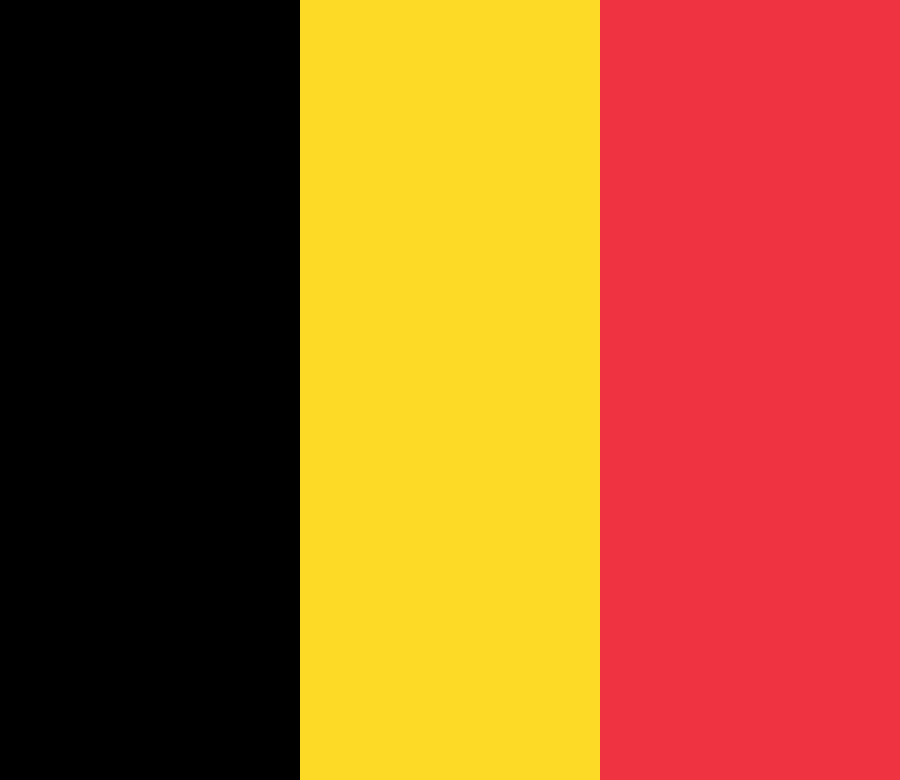
| Belgium | 26 June 1945 | 27 Dec. 1945 | |
| Bolivia | 26 June 1945 | 14 Nov. 1945 | |
| Canada | 26 June 1945 | 9 Nov. 1945 | |
| Colombia | 26 June 1945 | 5 Nov. 1945 | |
| Costa Rica | 26 June 1945 | 2 Nov. 1945 | |
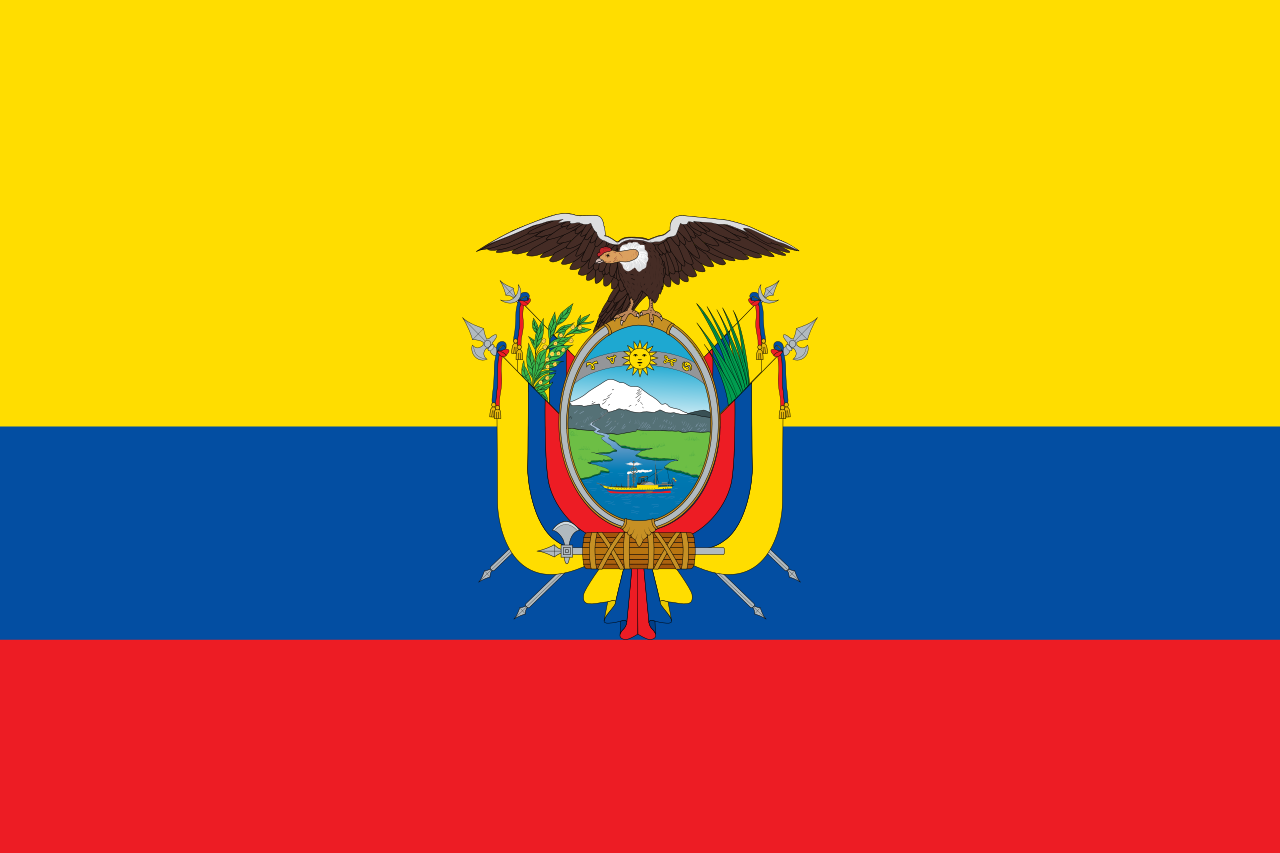
| Ecuador | 26 June 1945 | 21 Dec. 1945 | |
| Ethiopia | 26 June 1945 | 13 Nov. 1945 | |
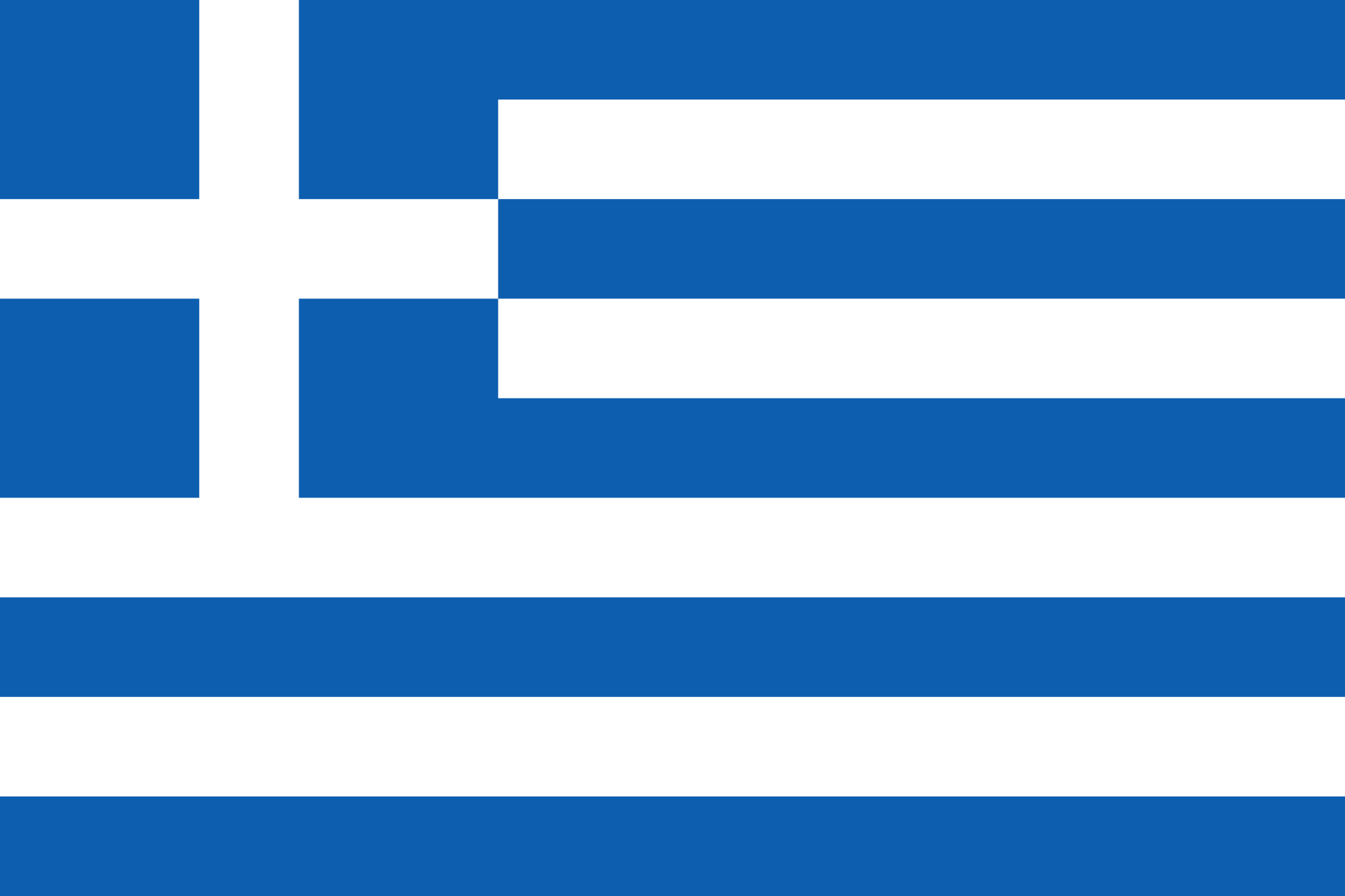
| Greece | 26 June 1945 | 25 Oct. 1945 | |
| Guatemala | 26 June 1945 | 21 Nov. 1945 | |
| Honduras | 26 June 1945 | 17 Nov. 1945 | |
| India | 26 June 1945 | 30 Oct. 1945 | |
| Iraq | 26 June 1945 | 21 Dec. 1945 | |
| Liberia | 26 June 1945 | 2 Nov. 1945 | |
| Mexico | 26 June 1945 | 7 Nov. 1945 | |
| Netherlands | 26 June 1945 | 10 Dec. 1945 | |
| Norway | 26 June 1945 | 27 Nov. 1945 | |
| Panama | 26 June 1945 | 13 Nov. 1945 | |
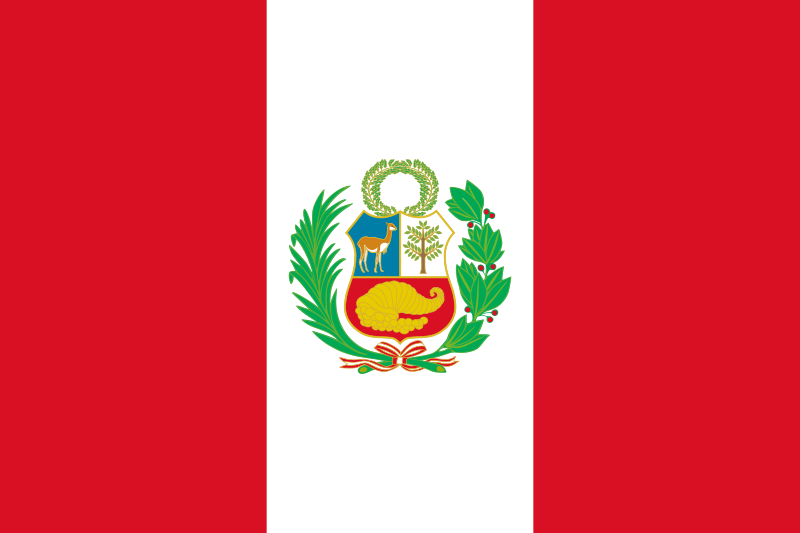
| Peru | 26 June 1945 | 31 Oct. 1945 | |
| Union of South Africa | 26 June 1945 | 7 Nov. 1945 | South Africa |
| Uruguay | 26 June 1945 | 18 Dec. 1945 | |
| Venezuela | 26 June 1945 | 15 Nov. 1945 |
* The nation, officially the Russian Federation, which is commonly referred to as Russia, is located partly in Eastern Europe and partly in North Asia; it borders the Arctic Ocean to the north, the Bering Sea, and the Sea of Okhotsk in the east. The Russian Federation (Russia) is physically the largest country in the world, covering 6.6 million square miles and 11 time zones over its 6,000-mile length. Its population of about 141.7 million includes well over 100 ethnic groups, though the majority are ethnic Russians.
Today, there are 193 members
General Assembly

Since its inception, the UN General Assembly, also known as UNGA, has been a forum for lofty declarations, sometimes audacious rhetoric, and rigorous debate over the world’s most vexing issues, including poverty, development, peace, and security. As the most representative organ of the United Nations, the assembly holds a general debate in the organization’s New York headquarters from September to December and convenes special sessions at other times to address a range of issues.
The UN General Assembly is the only universally representative body of the United Nations. The other major bodies are the Security Council, the Economic and Social Council, the Secretariat, and the International Court of Justice.
As delineated in the Charter of the United Nations, the function of the General Assembly is to discuss, debate, and make recommendations on subjects pertaining to international peace and security, including development, disarmament, human rights, international law, and the peaceful arbitration of disputes between nations.
It elects the non-permanent members of the Security Council and other UN bodies, such as the Human Rights Council (HRC), and appoints the secretary-general based on the Security Council’s recommendation. It considers reports from the other four organs of the United Nations, assesses the financial situations of member states, and approves the UN budget, its most concrete role. The assembly works with the Security Council to elect the judges of the International Court of Justice.
Membership
Membership in the Organization, in accordance with the Charter of the United Nations, “is open to all peace-loving States that accept the obligations contained in the United Nations Charter and, in the judgment of the Organization, are able to carry out these obligations”. States are admitted to membership in the United Nations by a decision of the General Assembly upon the recommendation of the Security Council.
The Council has grown to 193 UN member states, each with a vote in the General Assembly. The assembly’s president changes with each annual session and is elected by the body itself. The president of the seventy-seventh session is Korosi, who serves as director of environmental sustainability in Hungary’s presidential office and has spent nearly forty years as a diplomat. The president is empowered to enforce rules of procedure, such as opening debate, setting the agenda, limiting speaking times for representatives, and suspending or adjourning debates.
Membership can be contentious. Taiwan has been denied UN membership for more than two decades due to objections from China, which holds a permanent seat on the Security Council and considers Taiwan part of its sovereign territory. In 2018, Taiwanese officials visited New York ahead of the General Assembly to tout the island’s fulfillment of some SDGs, seen as part of broader efforts to join UN agencies.
Regime changes can also present challenges for UN representation. After Myanmar’s military junta seized power in a coup against the democratically elected government in February 2021, Myanmar’s existing permanent representative refused to leave despite the junta dismissing him. In Afghanistan, the Taliban also attempted to replace the ousted government’s representative. No representatives from either country spoke at the 2021 session, and at the end of the year, the General Assembly adopted a resolution indefinitely delaying a decision on who would represent the countries. Neither country is expected to be represented during the 2022 session.
How does a new State or Government obtain recognition from the United Nations?
The recognition of a new State or Government is an act that only other States and Governments may grant or withhold. It generally implies readiness to assume diplomatic relations. The United Nations is neither a State nor a Government, and therefore does not possess any authority to recognize either a State or a Government. As an organization of independent States, it may admit a new State to its membership or accept the credentials of the representatives of a new Government.
The procedure is brief as follows:
-
-
- The State submits an application to the Secretary-General and a letter formally stating that it accepts the obligations under the Charter.
- The Security Council considers the application. Any recommendation for admission must receive the affirmative votes of 9 of the 15 members of the Council, provided that none of its five permanent members — China, France, the Russian Federation, the United Kingdom of Great Britain and Northern Ireland, and the United States of America — have voted against the application.
- If the Council recommends admission, the recommendation is presented to the General Assembly for consideration. A two-thirds majority vote is necessary for the Assembly for admission of a new State.
- Membership becomes effective on the date the resolution for admission is adopted.
-
At each session, the General Assembly considers the credentials of all representatives of Member States participating in that session. During such consideration, which routinely takes place first in the nine-member Credentials Committee but can also arise at other times, the issue can be raised whether a particular representative has been accredited by the Government actually in power. This issue is ultimately decided by a majority vote in the Assembly. It should be noted that the normal change of Governments, as through a democratic election, does not raise any issues concerning the credentials of the representative of the State concerned.
According to Oppenheim’s International Law: United Nations, “Permanent membership in the Security Council was granted to five states based on their importance in the aftermath of World War II.” Sometimes referred to as the P5, the permanent members of the Security Council have a unique role that has evolved over time.
The permanent members of the United Nations Security Council (also known as the Permanent Five, Big Five, or P5) are the five sovereign states to whom the UN Charter of 1945 grants a permanent seat on the UN Security Council: China, France, the former Soviet Union, the United Kingdom, and the United States.
Punishment
The General Assembly has the power to censure states for violating UN Charter principles. “A Member of the United Nations which has persistently violated the Principles contained in the present Charter may be expelled from the Organization by the General Assembly upon the recommendation of the Security Council.”
For example, it can bar countries from serving on UN panels and kick countries out of the UN Human Rights Council if they commit egregious human rights abuses.
In the 1960s, the assembly suspended the South African delegation from the United Nations because the country was practicing apartheid, in violation of Security Council resolutions and international law.
In recent years, Russia has been the target of General Assembly resolutions. In 2014, the body adopted a nonbinding resolution—passed 100–1, with 58 abstentions—declaring Russia’s annexation of Crimea illegal. When Russia invaded Ukraine in February 2022, the General Assembly called an emergency session and voted 141–5, with 35 abstentions, to condemn the invasion and demand that Russia immediately withdraw its forces. It later voted to suspend Russia from the UN Human Rights Council. (Libya was the last country to lose its seat on the council, in 2011.)
-
-
- The UN General Assembly delivers recommendations on many international issues and manages internal UN appointments and budget approval. Each UN member state gets one vote in the assembly.
- For years, the assembly has struggled to make its work more substantive and transparent, and experts say reform is needed.
- The 2022 annual debate is expected to focus on simultaneous global crises, including the COVID-19 pandemic, climate change, and Russia’s war in Ukraine
-
Human Rights Council Membership

We the peoples of the United Nations [are] determined… to reaffirm faith in fundamental human rights, in the dignity and worth of the human person, in the equal rights of men and women and of nations large and small.
One of the early acts of the General Assembly was to draft and adopt the Universal Declaration of Human Rights, resolution 217 A of 10 December 1948.
More recent UN actions include the adoption of international human rights treaties, the creation of the position of United Nations High Commissioner for Human Rights in 1993, and the establishment of the Human Rights Council in 2006. There is an ongoing discussion about how to reform the treaty-body system.
During its 60th session, the General Assembly adopted the World Summit Outcome, resolution 60/1 of 16 September 2005, which called, inter alia, for strengthening of the UN’s human rights mechanisms. Reform of the human rights mechanisms is ongoing and the documentation is changing to reflect the changes. This guide provides an overview of current practice, as well as guidance on historical documentation.
The UN Yearbook on Human Rights was published in the years 1946-1988.
According to A/RES/60/251, the Human Rights Council consists of forty-seven Member States elected by the General Assembly for three-year terms. A/RES/65/281 set the yearly membership cycle to begin on 1 January, starting from 2013.
Economic and Social Council Membership

The Economic and Social Council (ECOSOC) deals with economic, social, cultural, and health matters as well as human rights and fundamental freedoms. It also coordinates the work of the UN and the specialized agencies.
Under General Assembly resolution 68/1, ECOSOC shifted its work program to a July-July cycle; it continues to hold one substantive and one organizational session per year. Its substantive session is divided into the following segments:
-
-
- High-level segment
- Operational activities for the development segment
- Humanitarian affairs segment
- Integration segment
-
In addition to the above segments, the Council also holds coordination and management meetings and financing for development meetings during its substantive session.
The organizational session is now held in July; previously it was held in February.
The basic format for the symbols of ECOSOC documents is:
-
-
- symbol pattern: E/year/sequential number
- example: E/2016/100
-
From 1946 to 1977, the symbol pattern was E/sequential number:
-
-
- example: E/1046
-
Note the increase in membership of the Economic and Social Council.
According to UN Charter, Article 61, “The Economic and Social Council shall consist of fifty-four Members of the United Nations elected by the General Assembly”.
-
- 18 members are elected by the General Assembly each year for a three-year term
The Charter has been amended twice to increase the membership of the Economic and Social Council
-
-
- Originally 18 members
- A/RES/1991 (XVIII) of 17 December 1963 recommended amending the Charter
- Entered into force 31 August 1965
- Increased membership to 27
- A/RES/2847 (XXVI) of 20 December 1971 recommended amending the Charter
- Entered into force 12 October 1973
- Increased membership to 54
-
Rules 145-146 of the Rules of Procedure of the General Assembly (A/520/Rev.20) concern the Economic and Social Council elections.
Security Council Membership

The Security Council has primary responsibility for the maintenance of international peace and security. It does not meet seasonally but stands ready to convene at any time as the need arises. Their motto [Article 5] states – ” When one [member] is attacked all [members] are attacked.
According to the UN Charter, Article 23, “The Security Council shall consist of fifteen Members of the United Nations”.
The Security Council has 15 members:
-
- 5 permanent members with veto power:
- China
- France
- Russian Federation
- United Kingdom of Great Britain and Northern Ireland
- United States of America
- 10 non-permanent members, five of which are elected each year by the General Assembly for a two-year term
- 5 permanent members with veto power:
Originally, there were 11 members of the Security Council: 5 permanent and 6 non-permanent members. In 1963, the General Assembly recommended an amendment to the Charter to increase the membership of the Security Council:
-
-
- A/RES/1991 (XVIII) of 17 December 1963
- Entered into force on 31 August 1965
- Increased membership from 11 to 15
- Changed the number of affirmative votes required from 7 to 9
- Set the pattern for geographic representation as follows:
- 5 from African and Asian States
- 1 from Eastern European States
- 2 from the Latin American States
- 2 from Western European and other States
-
Rules 142-144 of the Rules of Procedure of the General Assembly (A/520/Rev.20) concern the Security Council elections.
UN Charter Article 27(3) states that votes in the Security Council on non-procedural matters “shall be made by an affirmative vote of nine members including the concurring votes of the permanent members”– this is often called the veto power of permanent members.
- UN Security Council website : Voting System
- UN Documentation : Overview : Voting
- UN Documentation : Security Council : Voting
- Repertoire of the Security Council : Voting
Additional Resources
Membership of the Security Council by Year
The General Assembly currently elects 5 new non-permanent or rotating members each year.
The UN Security Council Membership Dashboard allows users to visualize the data by year and by elected members.
| Year | Members of the Security Council | Elected at |
|---|---|---|
| 2023 | Albania, Brazil, China, Ecuador, France, Gabon, Ghana, Japan, Malta, Mozambique, Russian Federation, Switzerland, United Arab Emirates, United Kingdom, United States | A/76/PV.79 |
| 2022 | Albania, Brazil, China, France, Gabon, Ghana, India, Ireland, Kenya, Mexico, Norway, Russian Federation, United Arab Emirates, United Kingdom, United States | A/75/PV.78 |
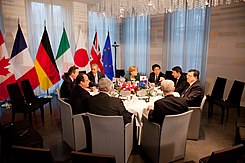
G7

North Atlantic Council
The North Atlantic Council is the principal political decision-making body within NATO. It oversees the political and military process relating to security issues affecting the whole Alliance. It brings together representatives of each member country to discuss policy or operational questions requiring collective decisions, providing a forum for wide-ranging consultation between members on all issues affecting their peace and security.
SUMMARY
-
-
- Provision for enlargement is given by Article 10 of the North Atlantic Treaty.
- Article 10 states that membership is open to any “European State in a position to further the principles of this Treaty and to contribute to the security of the North Atlantic area”.
- Any decision to invite a country to join the Alliance is taken by the North Atlantic Council, NATO’s principal political decision-making body, on the basis of consensus among all Allies.
-
References: Council on Foreign Relations, United Nations

