Most people agree that plants look nice, but there are more reasons than just aesthetics to have more of them in your home. Plants do positive work for your home’s air quality that you may not be aware of, and they can also benefit you in other healthy ways.
Set up a variety of plants in appropriate places in your home (find out how much sun and water they need, and if they will thrive indoors). Not only will it give your home a more natural feel from bringing the outdoors inside, but you can also enjoy the mind/body benefits that come with it.
 Health Benefits
Here are six of those benefits…
1. Plants Purify the Air
Your indoor air quality may not be as good as you think; in fact, experts say indoor air is usually a lot worse than outdoor, even when pollution indexes are high. Plants in your home convert carbon dioxide into new oxygen and help purify the air (just like outdoor plants do on a larger scale), notes MindBodyGreen.com.
The source notes that the space agency NASA adds plants to its international space station to control air quality, so there’s a lot to be said for it. The right plants can neutralize harmful airborne substances in your home (or space station, if you happen to own one) such as benzene and formaldehyde, it adds.
2. They May Assist Immunity
Plants are truly your friends and can even help protect you against certain illnesses, according to TreeHugger.com. Plants increase the humidity indoors through a process called transpiration, which is “a gift” during the drier months, adds the source.
The source cites a study by the Agricultural University of Norway that shows adding additional healthy plants indoors can reduce your chance of developing a cold, sore throat or a dry cough. Apparently, higher “absolute humidity” may help wipe out the spread of the flu virus, notes the article.
3. They Boost Workplace Performance
A number of sources including Phys.org tout the mental benefits of having more plants indoors. The source notes that “environmental psychologists” have offered that indoor greenery can not only make your work more effective but be happier while doing it.
The article points to office plants leading to “an improved emotional state, reduced negative mood states, reduced distraction, increased creativity, and improved task-performance.” We’re going out on a limb here to assume that if you work from a home office, you can expect the same benefits.
4. They Improve your I.Q.
Perhaps Einstein had many houseplants because according to Scientific American, indoor plants can actually make you smarter. The points made in the article follow closely to the ones we’ve already made about better workplace performance related to plants, but this one is slightly more specific.
There is a thing called “directed attention”, which is how long we can remain focused on one task (Scientific American uses staring at a computer spreadsheet as an example). According to the article, natural foliage can help regenerate our directed attention capacity, which can drop off quickly (as you know). A study cited by the article showed subjects in a room with plants fared better at cognitive tests.
5. They Speed up Healing
Perhaps there are more good reasons than you think to bring flowers to a loved one in a hospital, other than making their drab room look nicer. According to TreeHugger.com, a study has shown plants to be “noninvasive, inexpensive, and effective complementary medicine for surgical patients.” Yes, it refers to indoor plants as a kind of medicine.
The study summary, which is actually posted on the U.S. National Library of Medicine website, explains that half of a group of 90 patients recovering from a hemorrhoidectomy procedure were placed in rooms with plants. Those patients had lower post-operative blood pressure, less pain, and decreased anxiety than those not in the company of plants. Conclusion? “Health care professionals and hospital administrators need to consider the use of plants and flowers to enhance healing environments for patients.”
6. They’re Safe and Relatively Inexpensive
You can buy mature plants or grow them from wee seedlings; the choice is up to you. However, compared to buying medications or enrolling in regular yoga classes, houseplants may actually have an edge in some ways as they are low-maintenance and are not needed in abundance to have a positive outcome (we’re not saying physical or mental therapy should be ignored if you have plants).
Bayer, a company that makes many products from pain relievers to insect control sprays, also celebrates the positive properties of plants. How many plants do you need to purify the air? According to the company, at least 15-plants (that are in at least 6-inch diameter pots) are suitable for 1,800-square feet of indoor space. For other health benefits such as stress and fatigue reduction, you’ll need one large (8-inches diameter) potted plant for every 129-square feet.
Houseplants That Clean And Promote Air Quality
Considering the average human being spends roughly 90-percent of their time indoors, the quality of the air is certainly important—particularly when you consider the toxic compounds from paint and wallpaper, cleaning products, furniture, pollen, mold, bacteria, and in poorly ventilated homes.
Luckily, welcoming potted houseplants into your home can help to purify air and reduce harmful particulates in the air, as they absorb carbon dioxide to photosynthesize fresh oxygen.
Here are eight common and hearty houseplants that promote air quality…
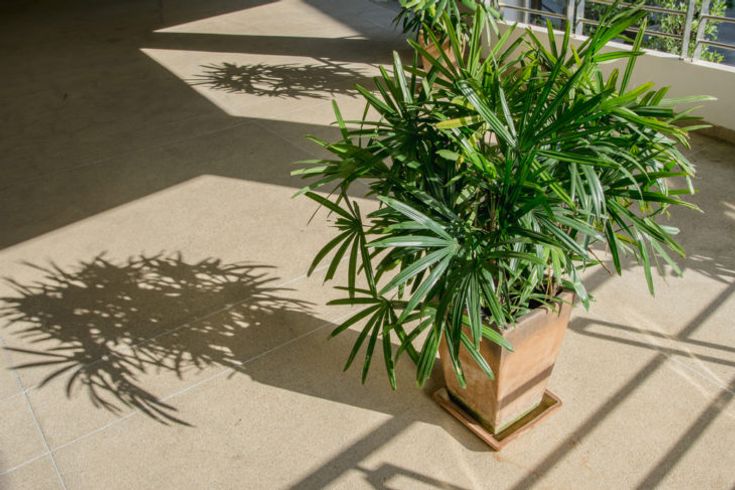
1. Bamboo PalmRemember a few years back when it was in vogue to give miniature bamboo trees as gifts of luck? Well, the bamboo palm (or chamaedorea seifrizii) is a formaldehyde-filtering superstar, especially when they grow quickly from small palms to 12-foot high trees. |
 |
||
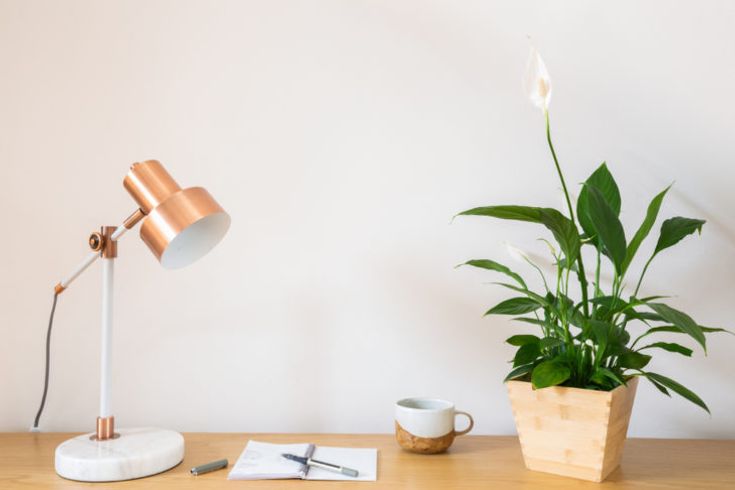 |
2. Peace LilyI often give a peace lily (or spathiphyllum sp.) as a housewarming gift and now I’m glad I do. It seems the fragrant, white-flowering plant packs a major air-cleaning punch to whatever indoor setting it graces—banishing several indoor pollutants, gases, and solvents like trichloroethylene, benzene, ammonia, and formaldehyde. Also, it’s a hearty plant that needs infrequent watering and shady surroundings. |
||
3. DracaenaThe dracaena (or ponytail plant, as I’ve referred to it for years) comes in various shapes and sizes, with the topknot of long, thin leaves lined red, tan, or creamy white. The common house and office plant is a wonderful filter for xylene, formaldehyde, benzene, and trichloroethylene. However, don’t bring it into a pet-friendly home, as it’s toxic if nibbled on by cats and dogs. |
|
||
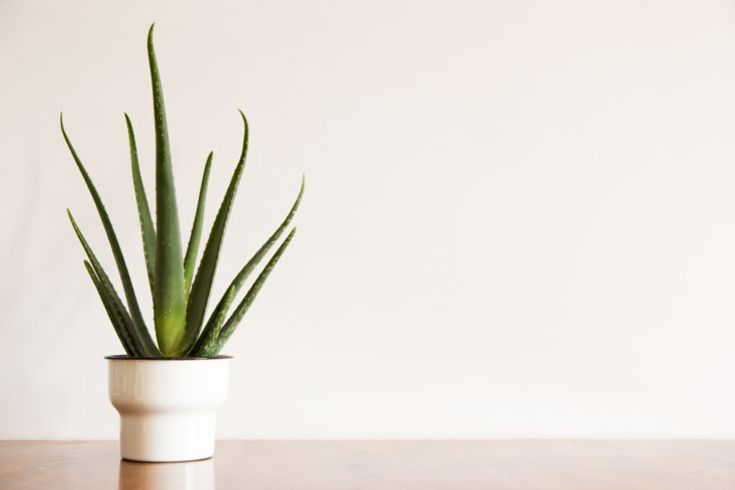 |
4. Aloe VeraNot only is the aloe plant wonderful to have on hand in wound- or burn-healing emergencies. The gel within each leaf contains a mixture of amino acids, vitamins, and enzymes with anti-bacterial, anti-inflammatory, and soothing benefits. While the plant itself filters formaldehyde from the air. |
||
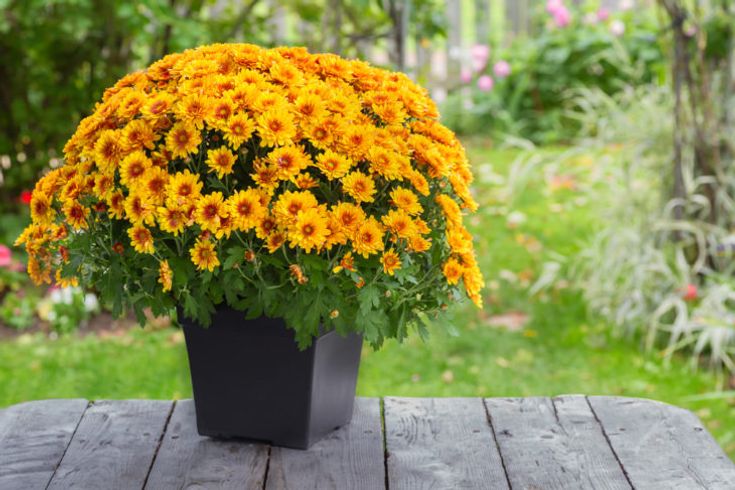
5. Garden MumThe colorful garden mum (or chrysanthemum morifolium) is available in almost every pastel shade under the rainbow. In addition to being inexpensive and readily available for purchase at almost any garden store or flower market, potted mums are air-purifying superheroes. The plant was found to remove multiple toxins from indoor airspace—including formaldehyde, ammonia, benzene, and xylene—which are common components of synthetic building materials, carpeting, and furniture upholstery from household items like manufactured wood, adhesives, carpeting, cleaners, and upholstery. |
|
||
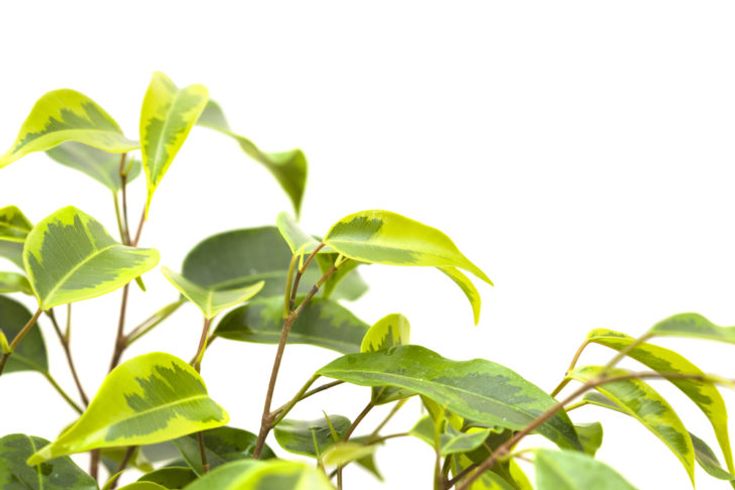 |
6. Weeping FigNot only will you love the sweet and plentiful fruit yielded from a healthy ficus Benjamina (or weeping fig) the plant needs infrequent watering and indirect sunlight, which means that it’s fairly low maintenance. Bring it inside during the cooler months to decrease pollutants like benzene and formaldehyde from indoor spaces, and move it outside in the warmer months where it will thrive and grow to heights up to 10-feet! |
||
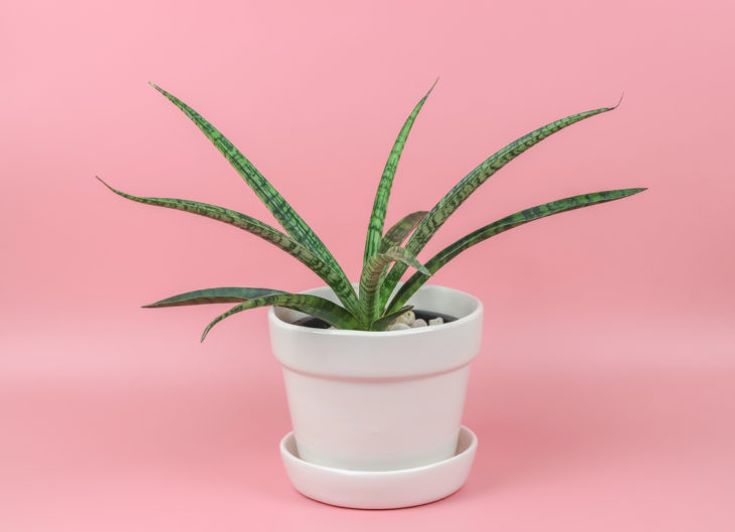
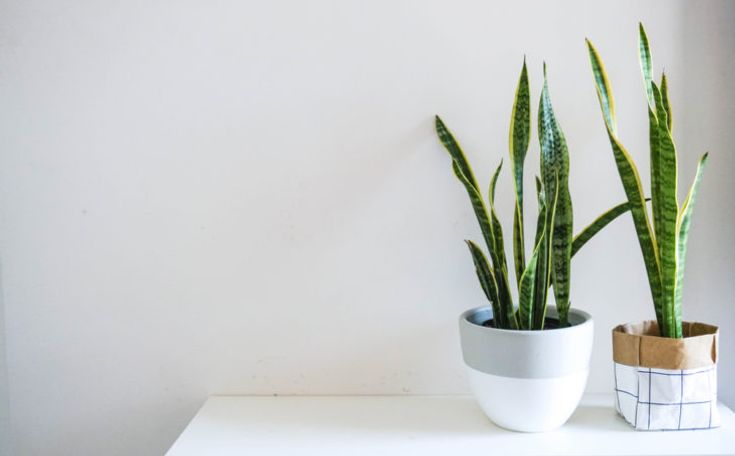
7. Snake PlantYou wouldn’t want a literal snake in your home, but a snake plant (or sansevieria trifasciata) is a hearty plant for newbie green thumbs (and even black thumbs). This plant requires very little upkeep—only infrequent watering and little sun. However, it will keep other sneaky indoor menaces at bay, by filtering trichloroethylene, benzene, xylene, and formaldehyde from the air. |
|
||
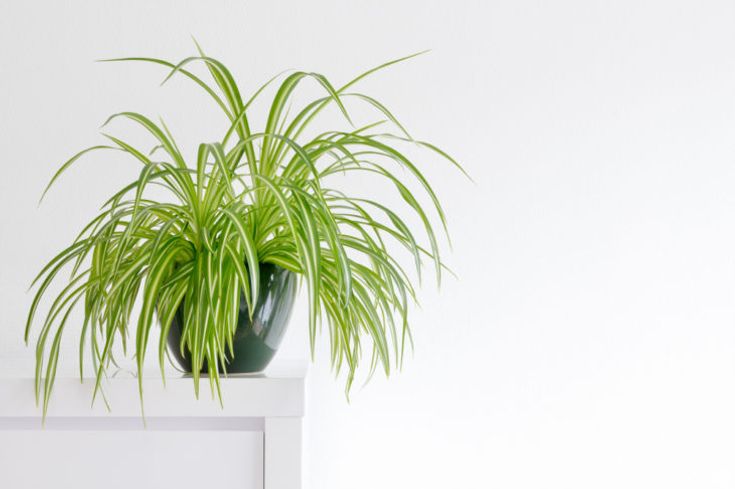 |
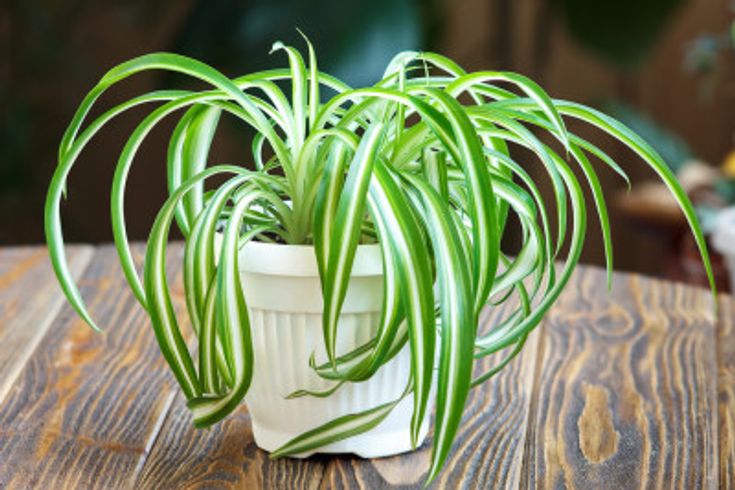
8. Spider PlantsThin-leafy spider plants (or chlorophytum comosum vittatum) is ideal novice houseplant because it’s tough to kill and can live through almost anything, even if you forget to water them once in a while. The only thing the spider plant needs to flourish is bright, indirect sunlight to keep multiplying shoots (or growing baby spiderettes). The plant will also suck up harmful xylene and formaldehyde from the air. |
 Sowing Seeds
Starting flowers and vegetables from seed is a great activity, especially when you just can’t wait any longer to get your hands dirty before spring. It’s an inexpensive project, lots of fun for the whole family and the varieties of seed available from multiple sources far exceeds what you can find locally.
It usually takes six to eight weeks for plants started from seed to be ready for outdoor planting. When you start seeds indoors, you have better control over the environment and can time your plantings to ensure they are not subjected to freezing conditions, which would kill tender seedlings.
Seed trays may be purchased but common household items are just as effective, such as small cups or bowls. I like the plastic containers that you get at the grocery store or from a take-out restaurant. They have a clear plastic lid, perfect for watching your progress and keeping moisture in.
For planting, use a seed starting mix that is “soil-less”. You can make your own, or buy ready-made products at any garden center. These mixes are light, and sterile. They are usually made up of a combination of peat moss, perlite, and vermiculite. Avoid using garden soil. It is too heavy for tender seedlings, plus soil contains disease pathogens, which can kill your plants.
When sowing seeds, pre-moisten the mix so the seeds are not disturbed by water after planting. It should be about the dampness of a wet sponge. Assuming the container or tray stays covered, the mix should hold all the moisture the seeds need to germinate. However, not all seeds have the same germination requirements, so it’s best to refer to instructions on the seed packet or elsewhere for specific details.
Next, cover the trays with a plastic lid that allows light through but holds moisture in. Plastic bags work well. With adequate moisture, condensation will develop inside this tent or cover.
Supplemental lighting is important for best growth. A simple shop light consisting of two 40-watt fluorescent bulbs is perfect and very inexpensive. Place your tray or containers under the lights and position them just above the container cover. The lights should stay on for about 16 hours each day.
Keeping Your Plants Happy
Keep an eye on the seeds daily. As soon as you notice them sprouting, remove the cover. Too much-trapped moisture could cause plants to rot. Placing a small fan nearby to keep air moving across the soil will help keep new seedlings disease-free.
Lastly, continue to add water as needed to keep the soil moist but not wet. Once the cover has been removed, the soil will tend to dry out more quickly. Be sure to continue to raise your light, keeping it within an inch or two from the tops of your sprouts. In about six weeks, the seedlings will be ready to transition into the garden.
Starting seeds indoors is just one more element of gardening that I find addictive and a great activity when not much else is going on in the garden. As a bonus, your seedlings will reward you with months of vivid colors, fresh produce, and the satisfaction of knowing you had a hand in making it happen.
Problems
Many plants are weeds. Weeds are plants that grow where people don’t want them, such as gardens and lawns. They take up space and use resources, hindering the growth of more desirable plants. People often introduce plants to new habitats where they lack natural predators and parasites. The introduced plants may spread rapidly and drive out native plants. Many plants produce pollen, which can cause allergies. Plants may also produce toxins that harm human health.
Summary, the Importance of Plants in our Lives
Plants are really important for the planet and for all living things. Plants absorb carbon dioxide and release oxygen from their leaves, which humans and other animals need to breathe. Living things need plants to live – they eat them and live in them. Plants help to clean water too.
Plants are living organisms that can live on land or water. They have many different forms such as huge trees; others are herbs or some have a bushy form. The basic food for all organisms is produced by green plants. Plants help in maintaining oxygen balance, the most important gas that enables us to breathe.
References: activebeat,